
The Anxiety Epidemic in Schools: What Every Parent Needs to Know in 2026
The Anxiety Epidemic in Schools: What Every Parent Needs to Know in 2026
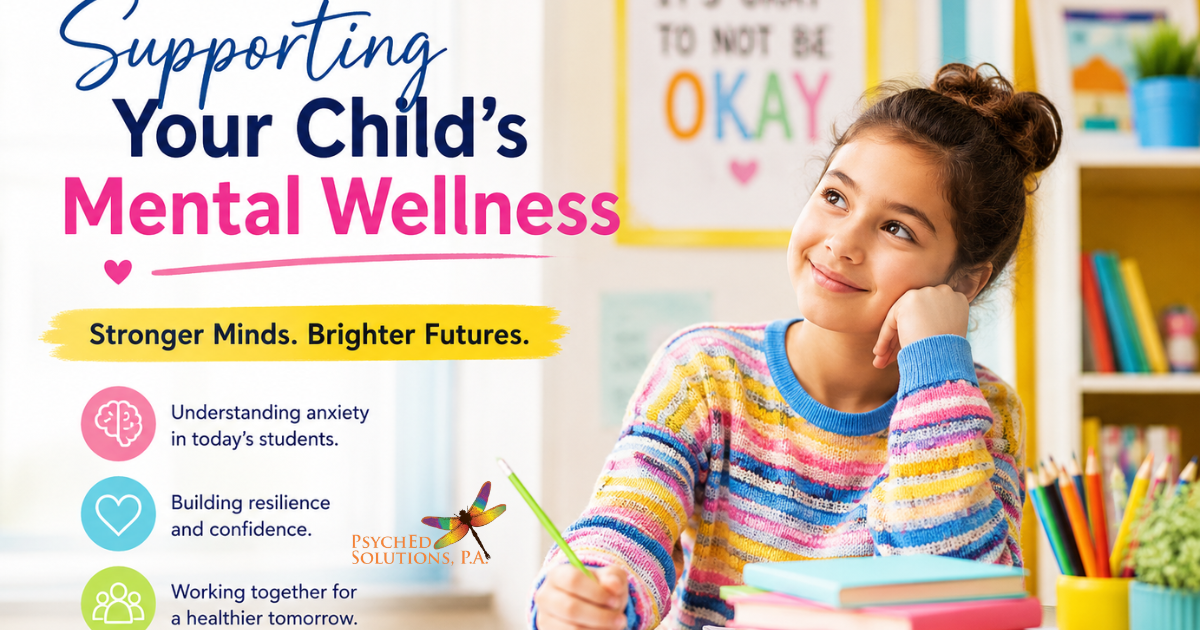
Have you noticed your child becoming more withdrawn, overwhelmed, or emotionally reactive this year?
Perhaps they seem constantly worried about school, struggle to sleep, complain of headaches or stomachaches, or become frustrated over seemingly small challenges. If so, you're not alone.
As a school psychologist, I have witnessed a significant increase in anxiety among children and adolescents over the past several years. While it is encouraging that mental health conversations have become more open and accepted, the reality is that many students are facing levels of stress and anxiety that previous generations never experienced.
Today's children are navigating academic expectations, social pressures, digital distractions, and an increasingly fast-paced world. Understanding what anxiety looks like—and how it affects the developing brain—can help parents provide the support their children need to thrive.
Anxiety Is More Than Just Worry
Many people think of anxiety as excessive worrying, but anxiety affects far more than a child's thoughts.
Anxiety impacts the brain, body, emotions, and behavior.
When children experience chronic stress, their brains become more focused on detecting threats and less capable of managing everyday challenges. This can make routine situations feel overwhelming and leave children feeling emotionally exhausted.
What may appear to adults as an overreaction is often a nervous system that has been operating in survival mode for far too long.
The Hidden Impact of Sleep Deprivation
One of the most overlooked contributors to anxiety is poor sleep.
Sleep serves as the brain's natural reset process. During sleep, the brain organizes information, regulates emotions, and restores the body's ability to handle stress effectively.
Unfortunately, many students are getting far less sleep than they need.
Late-night screen use, demanding schedules, academic pressure, and constant digital engagement often interfere with healthy sleep patterns. As a result, children may become more irritable, anxious, distracted, and emotionally reactive during the day.
When a child is sleep deprived, even minor frustrations can feel overwhelming because their brain's emotional regulation systems are already working overtime.
Growing Up in a Digital World
Children today are the first generation to spend much of their lives connected to a digital environment that never truly turns off.
Notifications, social media, online gaming, group chats, and constant streams of information compete for their attention throughout the day. While technology offers many benefits, it can also contribute to increased stress and emotional fatigue.
Many students feel pressure to present a perfect version of themselves online. They compare their lives, achievements, and appearance to carefully curated images of others, often leading to feelings of inadequacy and self-doubt.
For some children, especially those with ADHD, anxiety, or other neurodevelopmental differences, the constant stimulation can make it more difficult to focus, regulate emotions, and manage daily responsibilities.
When Anxiety Doesn't Look Like Anxiety
One of the biggest misconceptions parents encounter is the belief that anxiety always looks like nervousness or fear.
In reality, anxiety often disguises itself in unexpected ways.
A child struggling with anxiety may:
Avoid homework or challenging tasks
Procrastinate frequently
Become easily frustrated
Refuse to attend school
Withdraw from friends and activities
Seek constant reassurance
Appear unmotivated or "lazy"
These behaviors are often misunderstood.
Many anxious children avoid tasks not because they don't care, but because they care deeply and fear failure, embarrassment, or disappointing others. What appears to be defiance is often a protective response to overwhelming emotional stress.
The Rise of the "Perfect Student"
Some of the most anxious students are also the highest achievers.
These children earn good grades, participate in extracurricular activities, and rarely cause problems in school. From the outside, they appear successful and well-adjusted.
Yet many are quietly battling perfectionism, fear of failure, and relentless pressure to meet expectations.
When achievement becomes the primary measure of self-worth, children may begin sacrificing sleep, social connection, recreation, and emotional well-being in pursuit of success.
True success is not simply about academic performance. It is also about maintaining emotional health, resilience, balance, and self-confidence.
What Parents Can Do
The good news is that there are practical steps parents can take to support their child's mental health.
Start by focusing on the foundations of emotional well-being:
Prioritize Sleep
Establish consistent bedtime routines and limit screen exposure before bed.
Encourage Open Conversations
Create a safe environment where your child feels comfortable discussing worries and emotions without fear of judgment.
Reduce Overscheduling
Children need time to rest, play, and recharge. Balance is essential for emotional health.
Model Healthy Coping Skills
Children learn how to manage stress by observing the adults around them.
Stay Connected
Regular family conversations, shared meals, and quality time can strengthen emotional resilience and provide valuable opportunities for support.
When Professional Support May Be Needed
While occasional stress is a normal part of life, persistent anxiety should not be ignored.
Consider seeking professional support if anxiety is interfering with your child's:
Academic performance
Social relationships
Daily functioning
Emotional well-being
Physical health
A comprehensive psychoeducational evaluation can help identify underlying challenges, clarify diagnoses, and provide individualized recommendations for support.
Final Thoughts
Anxiety is one of the most significant mental health challenges facing students today, but it is also highly treatable.
With understanding, early intervention, and appropriate support, children can develop the skills and confidence needed to navigate life's challenges successfully.
As parents, educators, and mental health professionals, our goal is not to eliminate every obstacle from a child's path. Rather, it is to help them build the resilience, coping skills, and emotional strength needed to overcome those obstacles and flourish.
Concerned About Your Child's Emotional Well-Being?
If your child is struggling with anxiety, attention difficulties, learning challenges, or emotional concerns, professional guidance can provide clarity and support.
📞 Call (954) 257-7473
Schedule a consultation to learn how a comprehensive evaluation can help your child reach their full potential.
Dr. Angela C. Brinson, Ph.D.
Licensed School Psychologist & Holistic Wellness Consultant
